The AEM Electrolyser
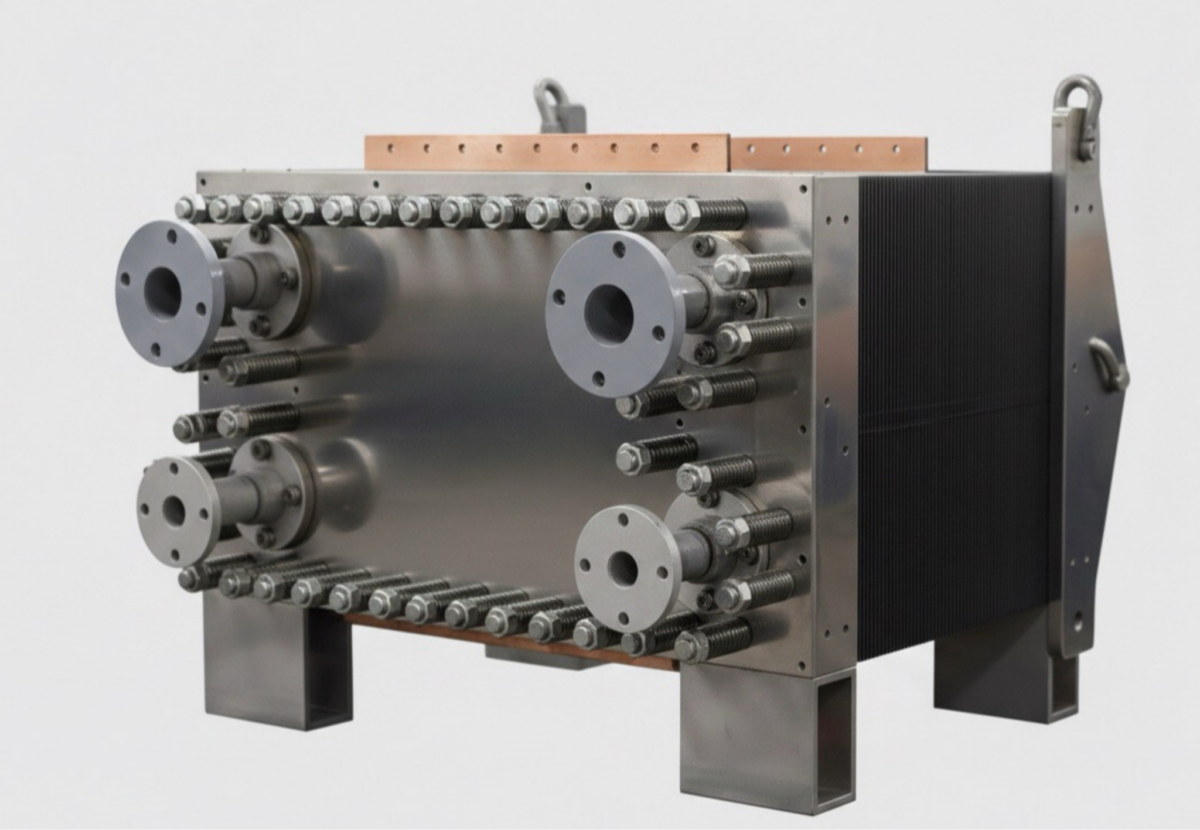
Anion Exchange Membrane (AEM) electrolysis represents the most advanced solution for sustainable green hydrogen production. In this process, the AEM allows the selective passage of negatively charged hydroxyl ions (OH⁻) while blocking positively charged hydrogen ions (H⁺). These confined protons form high-purity hydrogen gas at the cathode, while hydroxyl ions react at the anode to produce water and oxygen. This elegant and efficient mechanism sets AEM electrolysis apart from both traditional Alkaline and Proton Exchange Membrane (PEM) technologies.
Cipher Neutron’s AEM Electrolysers are engineered to deliver pressurized hydrogen up to 30 bar with 99.999% purity — all without the use of iridium or toxic PFAS chemicals. This avoids major supply chain constraints and environmental liabilities, making our technology a cleaner and more secure choice for the future of hydrogen.
With stack efficiencies close to 90% (HHV), Cipher Neutron’s AEM Electrolysers generate more hydrogen per unit of electricity — directly reducing the cost of hydrogen production. Their compact and modular architecture allows seamless scalability, from small pilot projects to large industrial installations, with extended lifespans and minimal maintenance requirements.
By combining high efficiency, chemical safety, and material independence, Cipher Neutron’s AEM Electrolysers lead the way in next-generation green hydrogen production. We are proud to champion this breakthrough technology, building a cleaner, more sustainable energy future — one stack at a time.
AEM Electrolyser specifications
- Hydrogen pressure Up to 30 bar
- Hydrogen purity Up to 99.9 %
- Hydrogen purity with additional purification Up to 99.999 %
- Feed water quality ASTM Type 1
- Feed water pressure 2 to 6 bar
- Feed water temperature 5° C to 40° C
- Nominal power consumption, beginning of life (BoL)~4.02 kWh/Nm3 at stack level
- Amperage at nominal operating voltage, beginning of life (BoL)~800mA/cm2
- Average cell voltage at end of life (EoL) 2.2V
- Electrolyte type 1M KOH
- Range of operation20% to 125%
- Maximum Single Stack Capacity 250 kW
- Ambient operative temperature range5° C to 40° C
Patented Coating Technique
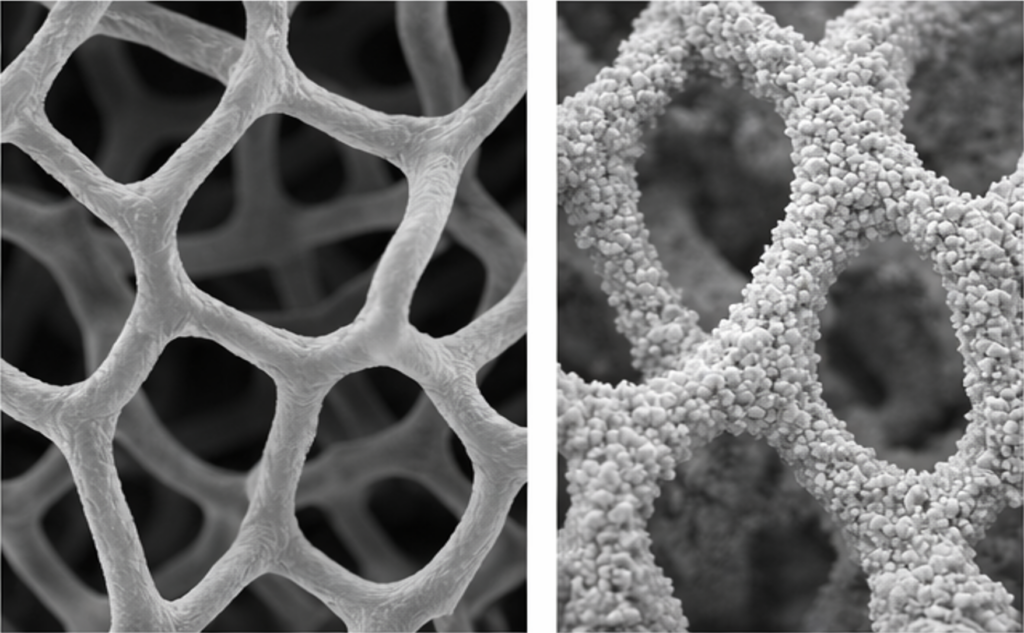
Cipher Neutron’s performance advantage begins at the electrode interface. Our licensed and patented ink deposition technique enables precise, uniform catalyst coating onto the porous transport layer, forming highly optimized gas diffusion electrodes. By tightly controlling catalyst dispersion, binder distribution, and coating thickness, we maximize electrochemically active surface area while minimizing resistive losses.
Compared to conventional spray coating methods, our process delivers up to 25% lower coating-related costs while improving electrode uniformity and catalyst utilization. The optimized microstructure reduces mass transport limitations and enables measurable performance gains — including higher current density operation (e.g., stable performance at 0.8 A/cm² and above) with lower voltage losses. Uniform deposition also prevents localized hot spots, uneven current distribution, and mechanical stress, reducing degradation rates and extending operational lifetime under dynamic loads and renewable power fluctuations.
Our coating technology further enables reduced metal loading without compromising activity. Enhanced particle dispersion and adhesion support iridium-free and platinum-reduced configurations, lowering material intensity and strengthening supply chain resilience.
Scalable and repeatable, our deposition platform maintains consistent electrode architecture from single-cell validation to multi-cell industrial stacks. The result is high-efficiency, low-degradation AEM electrolysers engineered for cost-competitive, industrial-scale hydrogen production.
PFAS Free Technology

Health and Environmental Concerns
Indeed, recent attention on PFAS has added an extra layer of complexity to the challenges faced by the green hydrogen industry. PFAS, associated with detrimental health effects such as cancer, birth defects, kidney failure, and other chronic illnesses, has raised significant concerns. Numerous studies have underscored the adverse health impacts of PFAS exposure, particularly emphasizing the vulnerability of developing fetuses, infants, and children.

Industry Impact of PFAS Use:
Compounding the issue, the pervasive nature of these chemicals is evident as they have been detected in the blood of 99% of Americans tested for them. This widespread presence emphasizes the urgent need for alternative technologies and practices in the green hydrogen sector to mitigate environmental and health risks associated with PFAS, ensuring a safer and more sustainable future for the industry.

Regulatory Response and Compliance
The health risks associated with PFAS have raised significant concerns, particularly in the drinking water sector. A 2023 study found over 45% of US tap water contaminated with toxic PFAS. In the green hydrogen industry, PEM electrolysers use PFAS-based membranes, linked to severe health issues like cancer and birth defects. These substances’ persistence in the environment for millennia exacerbates the challenge.

Need for Research and Collaboration
The global reaction to these concerns is evident, with entities like the European Union and the United States considering banning specific PFAS materials. Potential regulatory measures could disrupt the supply chain of the already strained PEM electrolyser industry, leading to a reassessment of materials and technologies in the green hydrogen sector to meet environmental and health safety criteria.
AEM Applications
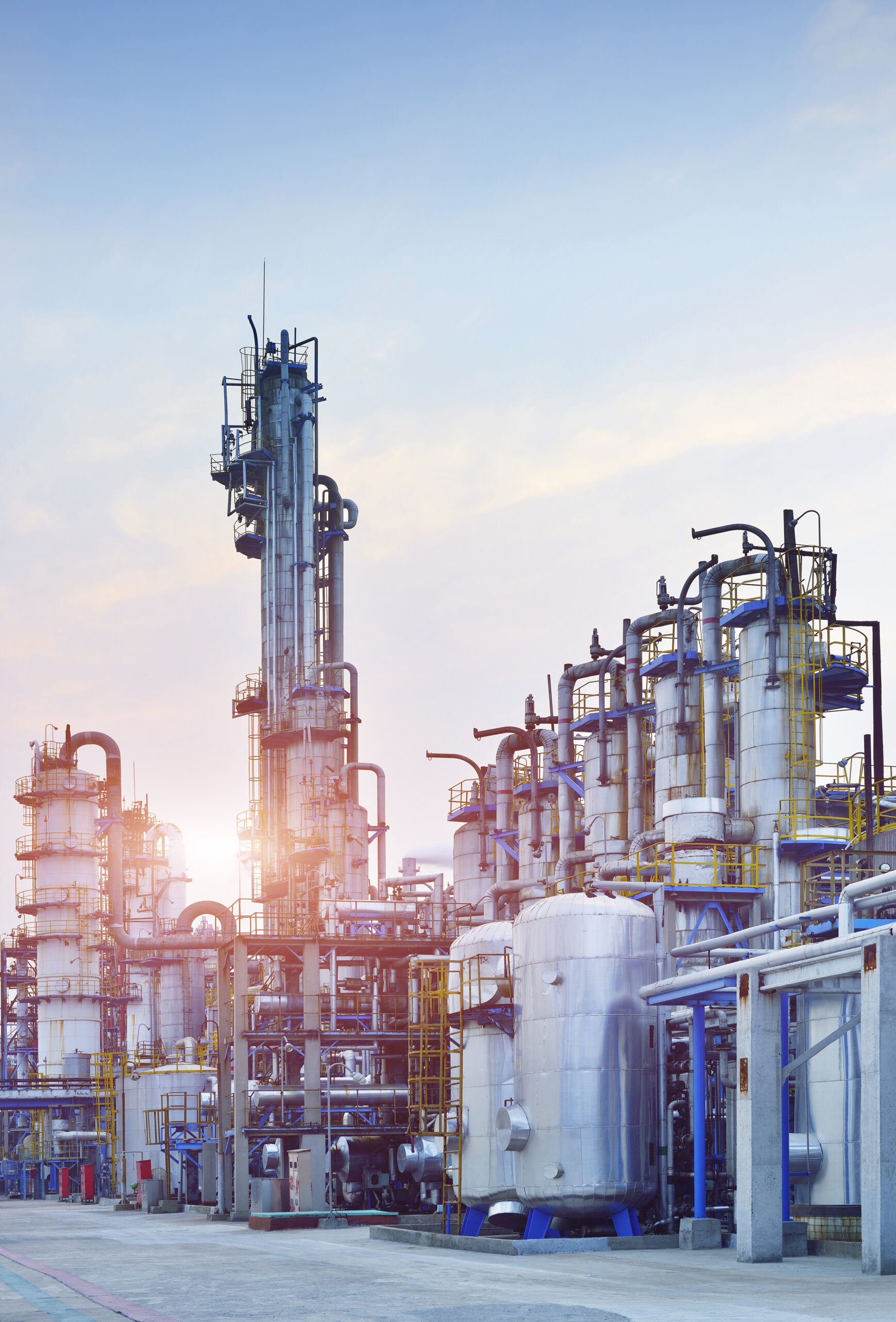
Chemical Industry
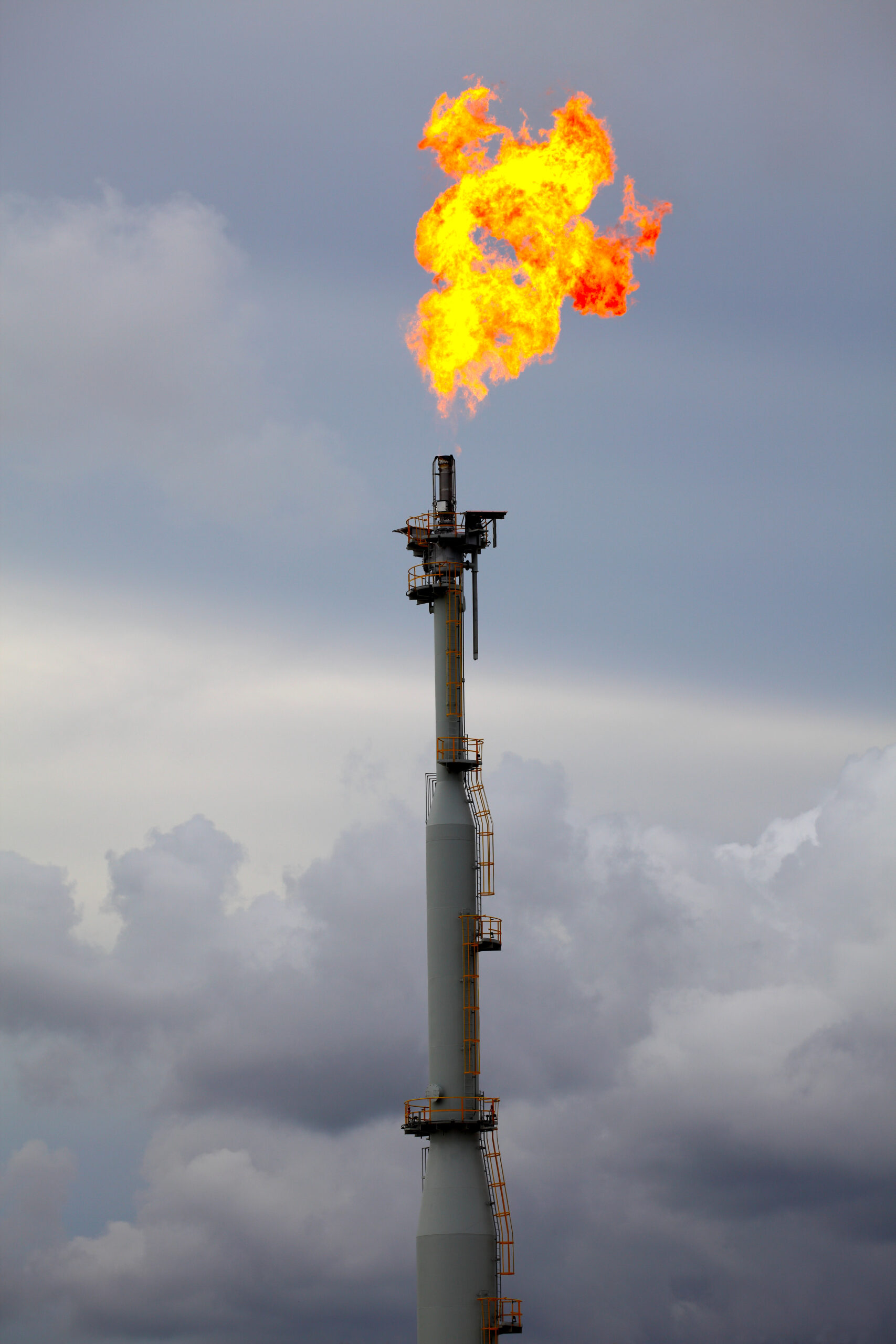
Oil and gas Industry
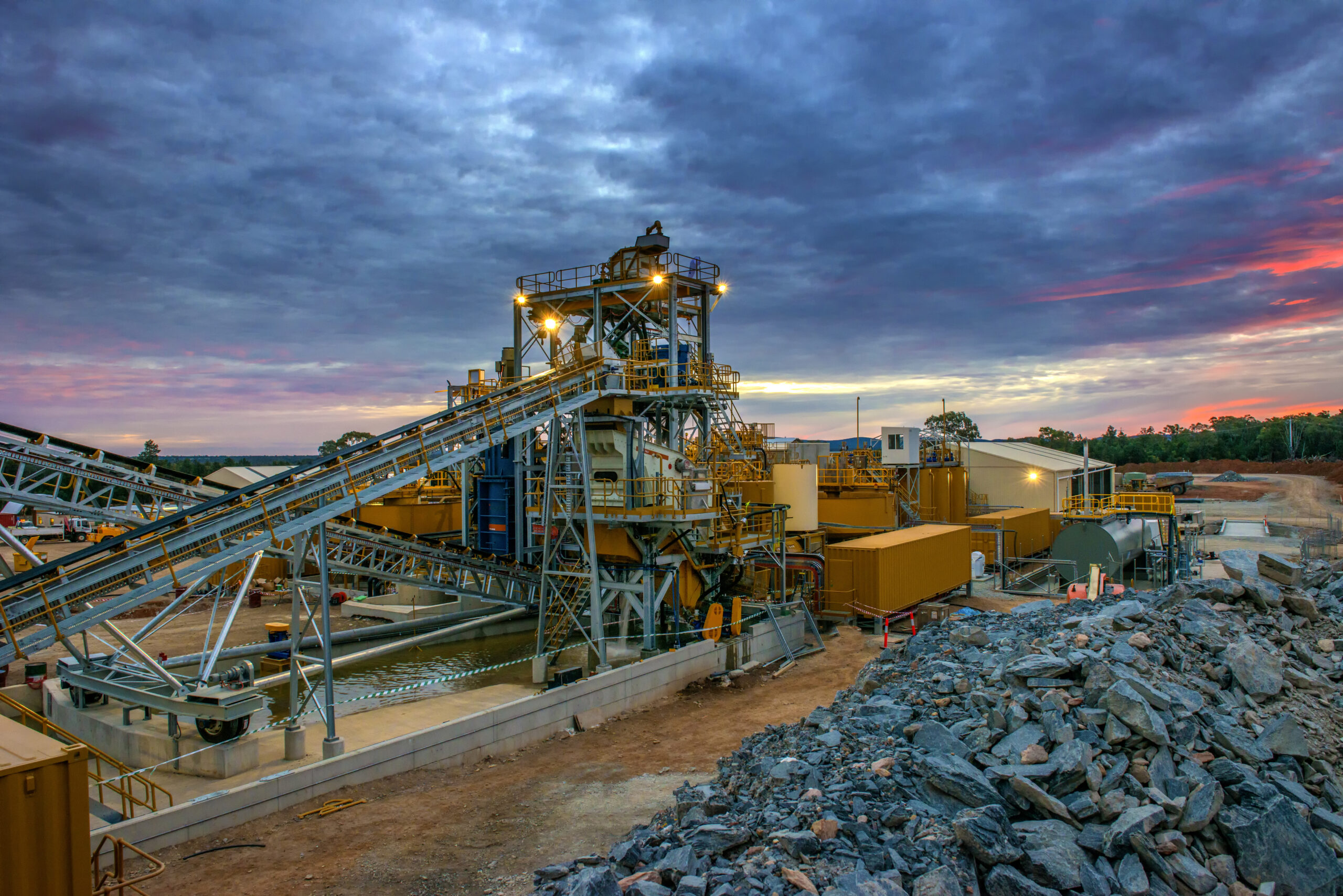
Mining Industry
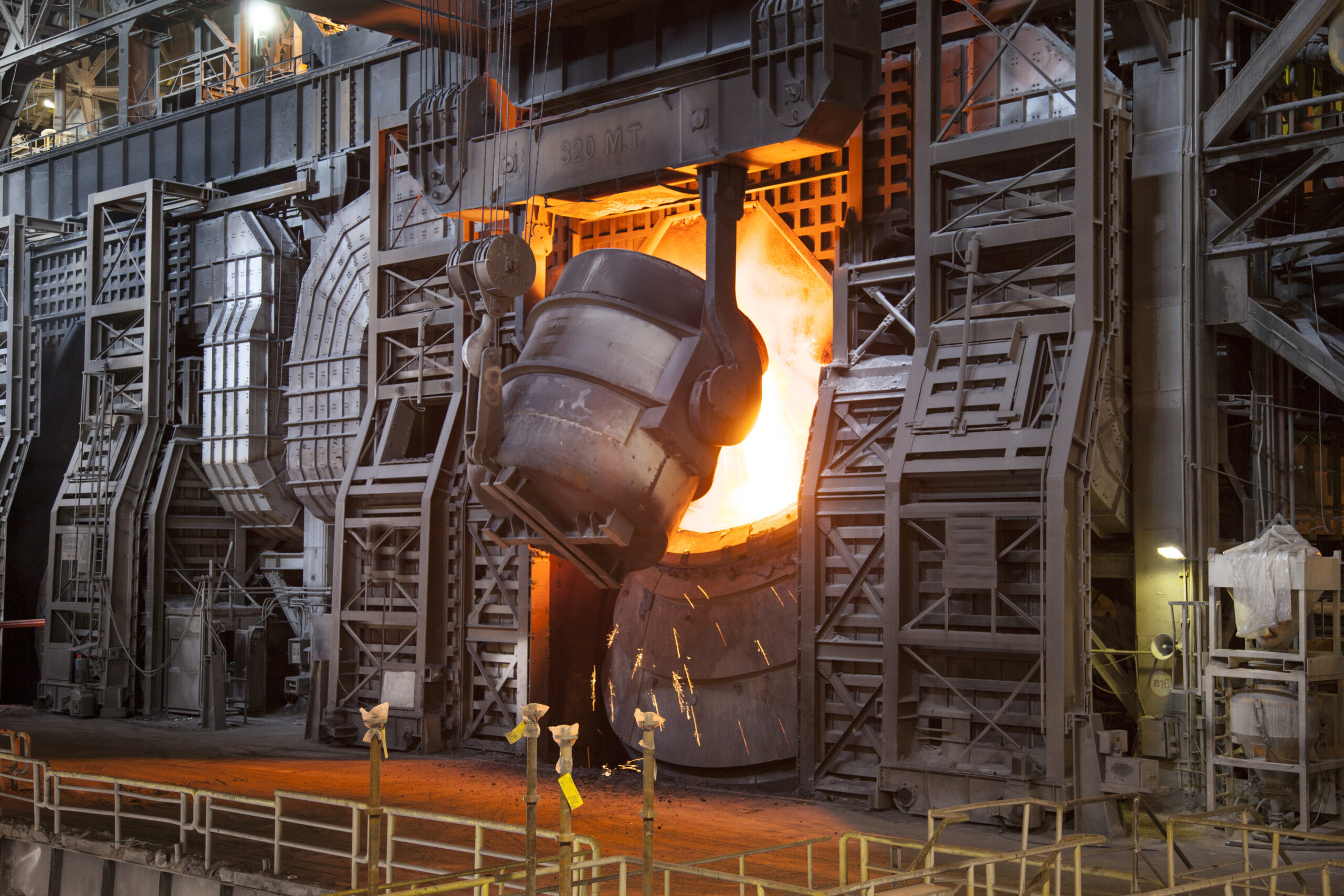
Steel Industry
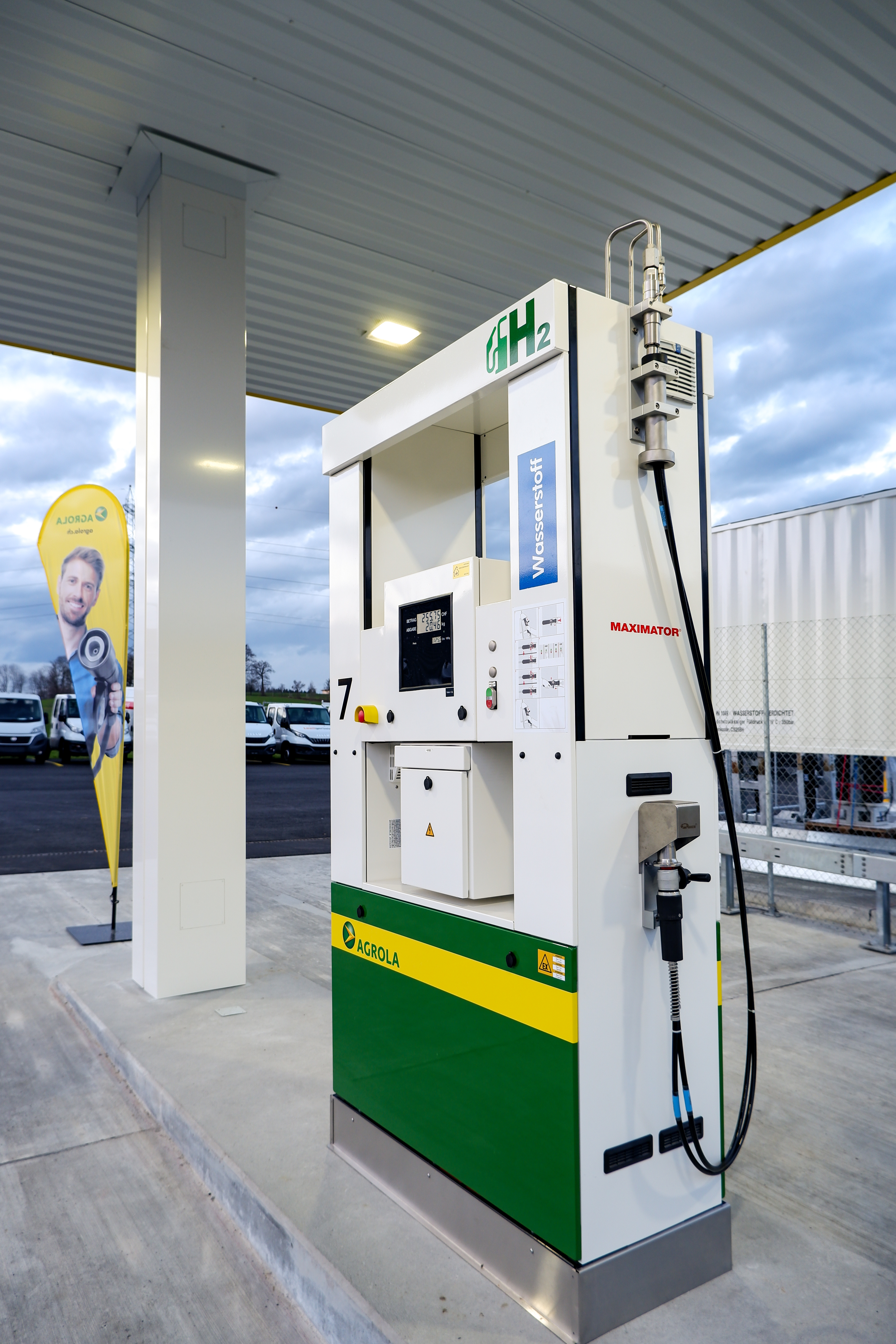
Transportation Industry